The Return of the Community
As we approach the end of lockdown, one of it’s legacies will be a long term shift in the working practices of many. In many organisations there are decisions being made about what facilities we need, going forward, and how best we use any office space we choose to keep.CEOs, Finance Directors and all those concerned with business efficiency will be pondering the options for “managing the overhead”.
It is an important moment and opportunity to pick up on the questions that the pandemic has posed about they way we all go about our work and the resources we need to do that.
To support these critical decisions on resources, I’d like to put a word in for team and community culture and it’s influence on how a business performs in the long run.
There is no doubt that the last 12 months have seen a massive growth in the use of online meeting facilities and a parallel increase in people working from home. There will also be a large number of people who initially hated working in isolation from home, but have, over time, developed the mindset and routines to make it work.
However, making the best of a limited resource does not achieve the same level of performance as thriving on having the best resources. Zoom and all the other platforms are great for some types of meetings, but on their own they do not create high performance teams or communities.
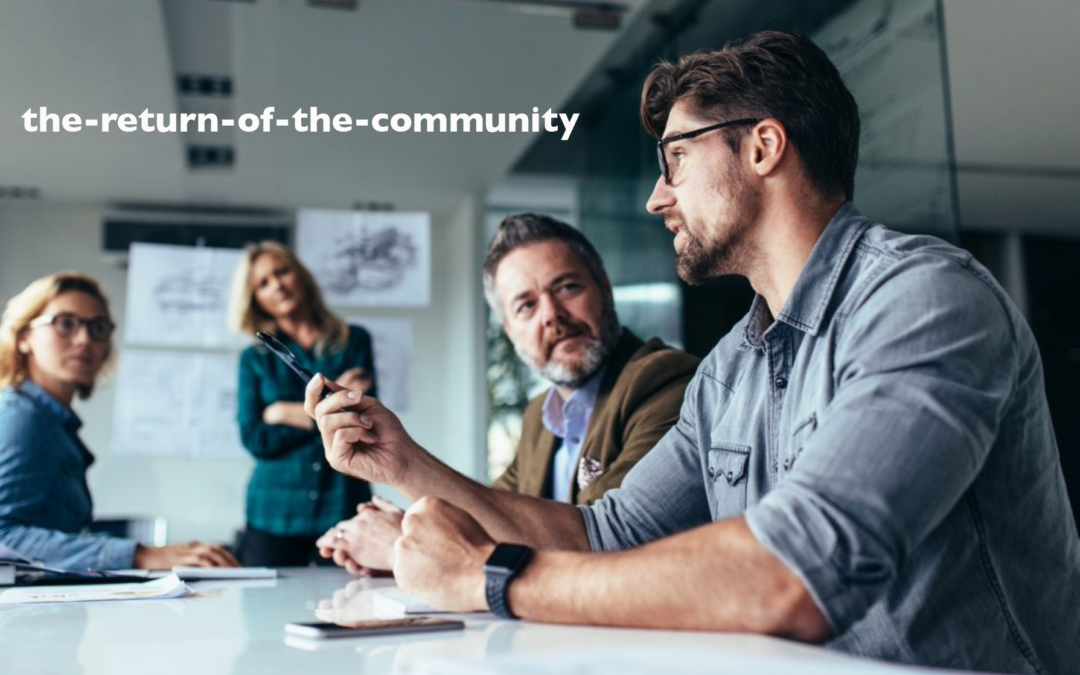
The constant problem solving and change that is business life requires energy and commitment from everyone. This is especially true right now as we attempt to restart business and the economy. The level of energy and commitment present within a team affects the quality of every product or service, as quality is largely about going the extra mile. In addition to the formal business meetings, people need time together that is unstructured, freeform and fun.
High energy levels and time spent together increases innovation and allows people to discuss, digest and embed new decisions and changes within the business. This in turn allows change to happen more rapidly. Research over time reveals that teams that eat lunch together significantly out perform those that don’t.
Most people recognise that the reliance on open plan offices hasn’t always been good for supporting team and community growth, and now is a great opportunity to rethink what space and resource we give ourselves. During the resource planning I plead with folk to remember that people are not resources. Buildings, systems, computers etc are resources.
Resources don’t have emotions and personal needs. If teams and communities are to thrive they need a place to be, a place they want to be, to share and to develop identity and energy. Then we’ll get a true return on community.
By Colin Dulson
Managing Director
Berrison Ltd
www.Berrison.com
If you would like to know more about how Berrison can help, please contact us: connect@berrison.com